And you were, too, of course.
The day you were born,
they clipped the cord,
slapped the pink into you,
wrapped you like a parcel
for a household already drowning
in its own weather.
So here we are.
Fifty, sixty, seventy years
of standing in lines
under bad lights,
filling prescriptions,
resetting passwords,
trying to remember
why we came into the kitchen,
why we opened the laptop,
why we thought this time
might be different.
At some point
you realize the joke
is not that we die,
but that the world keeps asking us
to behave
as if this news
has just arrived.
As if the sentence
were not entered immediately.
As if the whole long trial
were not just
continuance after continuance—
childhood, with its slammed doors
and sudden silences;
adolescence, that public stoning;
love, with its false acquittals;
jobs that take the back first
and then the soul;
parents dwindling
into careful old people
who lower themselves into chairs
as if negotiating with pain;
friends vanishing
one hospital room at a time.
Meanwhile,
the days themselves
get stranger.
You are in CVS
buying antacids, batteries,
a sympathy card for someone
whose wife you never met,
and a girl with green hair
is laughing at something
on her phone,
laughing so hard
she has to lean on the display
of half-price Easter candy,
and for one second
the whole absurd machinery
goes bright.
Or you are carrying groceries
up the stairs,
cursing the price of coffee,
your knees, the republic,
when from some open window
someone is practicing scales
badly on a trumpet,
missing every third note,
and the failure of it,
the pure stubborn human failure,
is so naked and hopeful
you have to stop on the landing.
This is the part
nobody tells you.
Not that life is short.
Everybody tells you that.
They print it on driftwood
and hang it in beach houses.
What they do not tell you
is how much of life
is administrative,
how much sorrow
arrives in envelopes,
how often love appears
looking exhausted,
in sweatpants,
holding a charger in its teeth,
asking if you remembered
to call the pharmacy.
And still,
in among the bill-paying,
the biopsy,
the stalled traffic,
the humiliating passwords
that require one capital letter,
one number,
one symbol,
and apparently the blood
of your firstborn,
something keeps slipping through.
A song from another room.
The smell of rain on hot pavement.
The old dog
dragging itself up
just to follow you
to the bathroom.
A page that suddenly says
the true thing.
Someone touching your wrist
as if you are still
worth calming.
Maybe that is all
we ever really manage—
to smuggle a few beautiful things
into the cell.
A joke.
A poem.
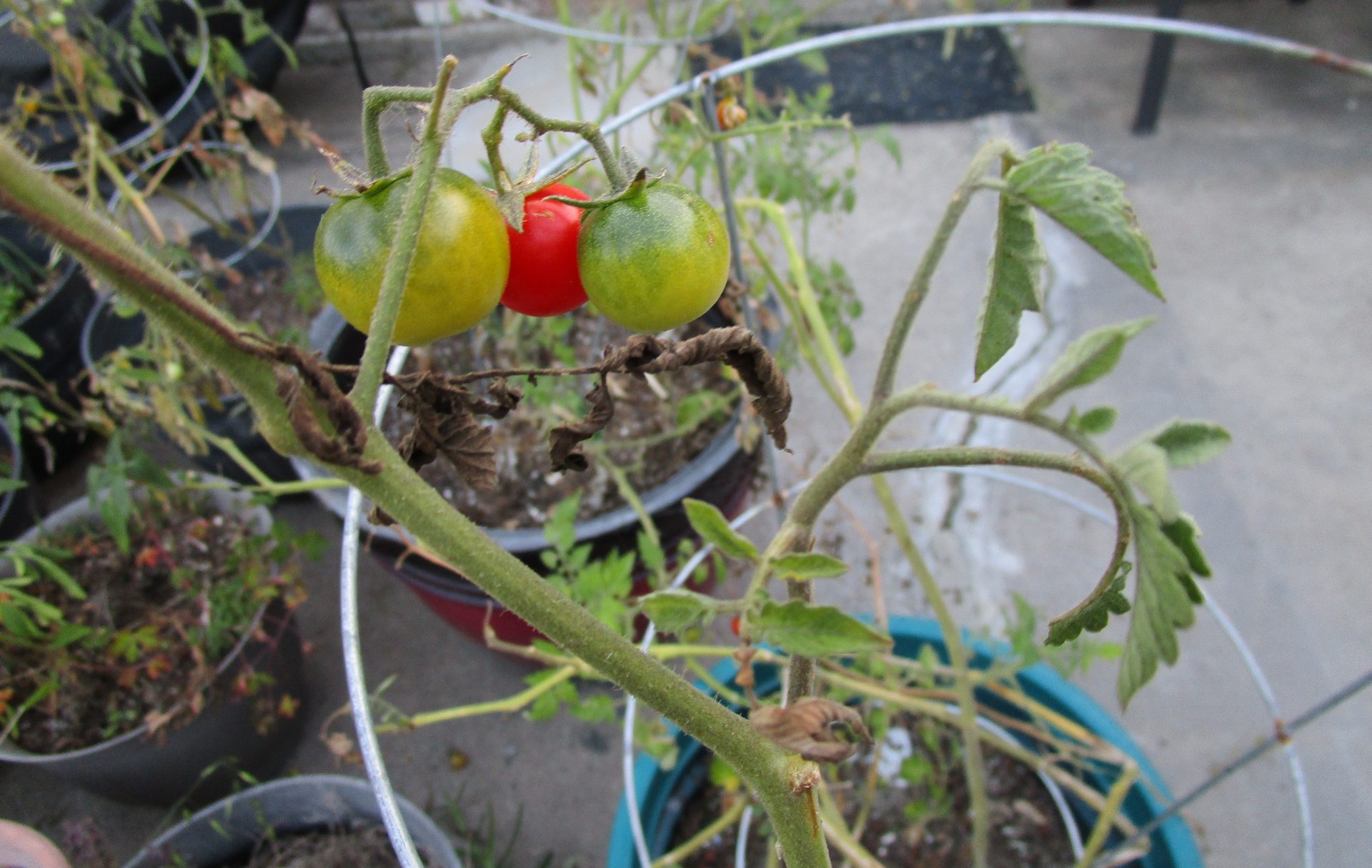
A decent tomato in August.
One good kiss
that outlives the people in it.
And then one day
the body,
which has been filing motions
for years,
stops arguing.
The hands unclench.
The noise recedes.
The clerk behind the glass
looks up.
And after all the carrying,
after the boxes of paper,
the bad diagnoses,
the long disappointments,
the brave little errands,
and even the few
beautiful things,
what begins as
a terrible sentence
feels less like defeat
than a final kindness.