We forgot when the streets
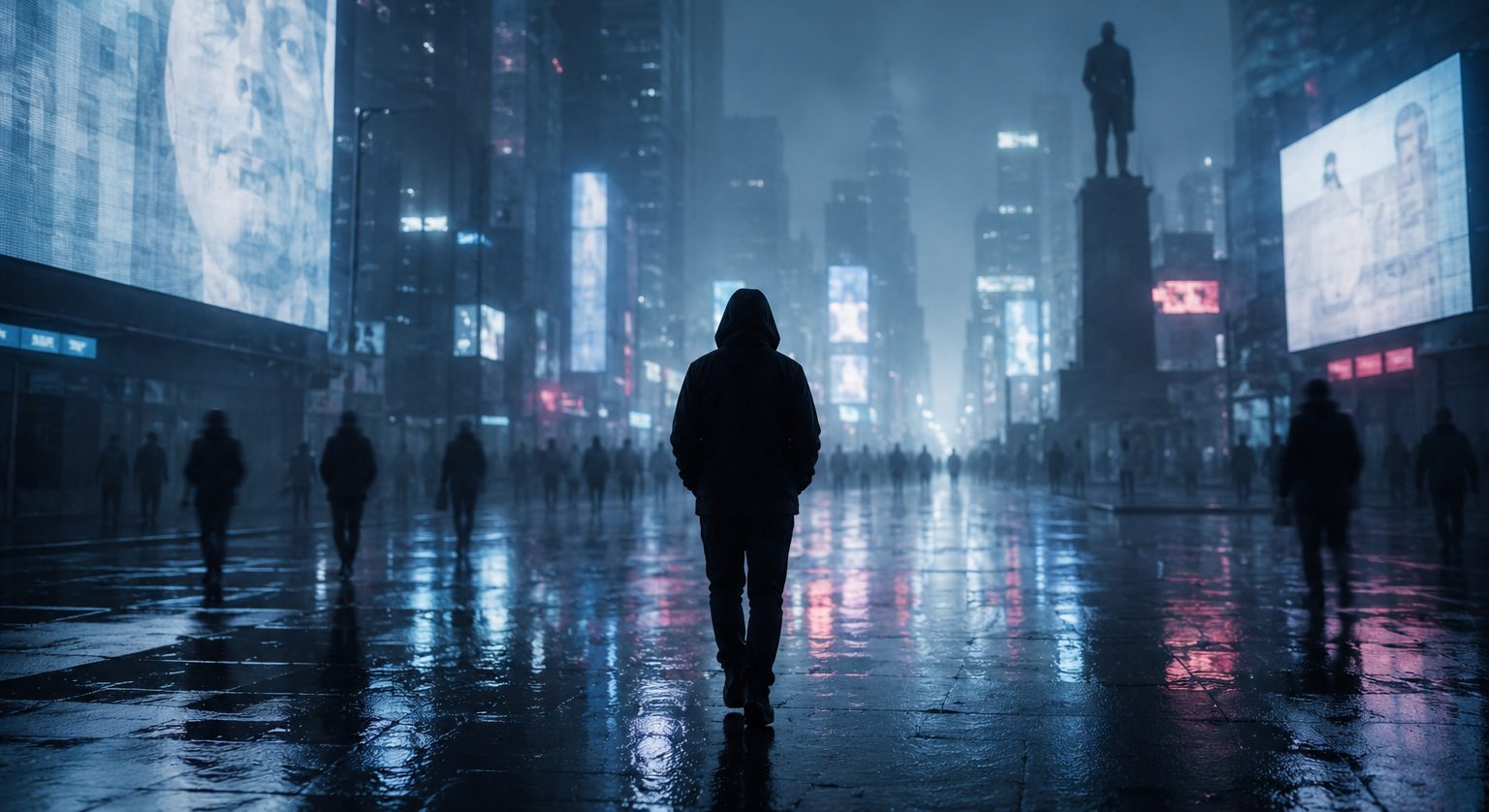
turned to glass screens, soft with blue light,
static humming like a lullaby
over the hum of engines.
We forgot the butcher’s knife
and the hand that carved the land
into city blocks, now soft with pixelated fog.
A generation listens to the hum
and hums back in 140 characters or less—
not a letter sent, but a post marked unread.
You can hear it, if you listen,
the slow drip of meaning into a gutter,
dissolving in the oil-slick rain.
It’s all surface now, paper-thin:
holograms of flags that wave with no wind,
statues of men no one remembers
sinking slowly into the sidewalk.
We forgot to fight,
forgot to shout or raise a fist.
Not because we couldn’t—
we just stopped.
The hands that built skyscrapers
now scroll endlessly,
fingers twitching like dead leaves
in the wind.
Indifference spread, devours like locusts
over the land once tilled,
once split open by promise,
now packed with silence,
the dirt too dry to grow anything at all.
Who’s left to notice?
Who’s left to care?
The streets hum, the screens glow,
and the people walk through it,
their faces lit by a light
that comes from nowhere.
No one stops to ask.
No one thinks to ask.